IoT Dashboard & Application Development
IoT dashboard development turns raw sensor and device data into something a team can actually act on — a live view instead of a spreadsheet updated once a day.
What Gets Built
This covers real-time device monitoring across connected devices and equipment, sensor data visualization through charts and live displays, and alerting when a reading moves outside a set range.
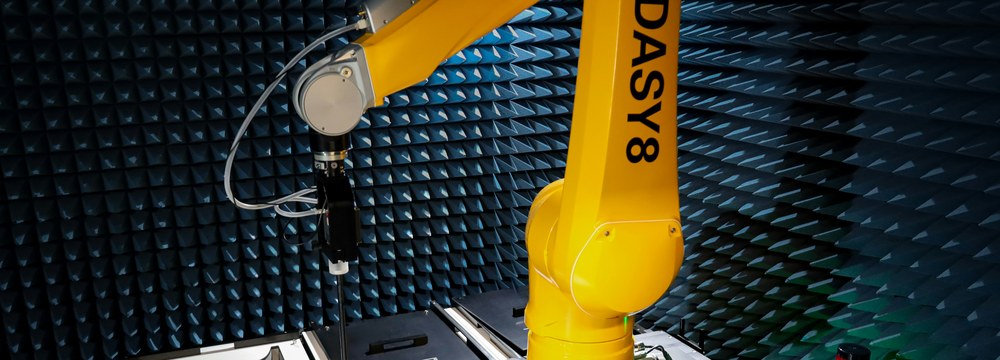
Real-Time Device Monitoring
Real-time device monitoring across connected devices and equipment, tracking live operational states, connection health, and field diagnostics.

Sensor Data Visualization
Sensor data visualization through charts and live displays, showing real-time trends, gauge readouts, and historical time-series comparisons.
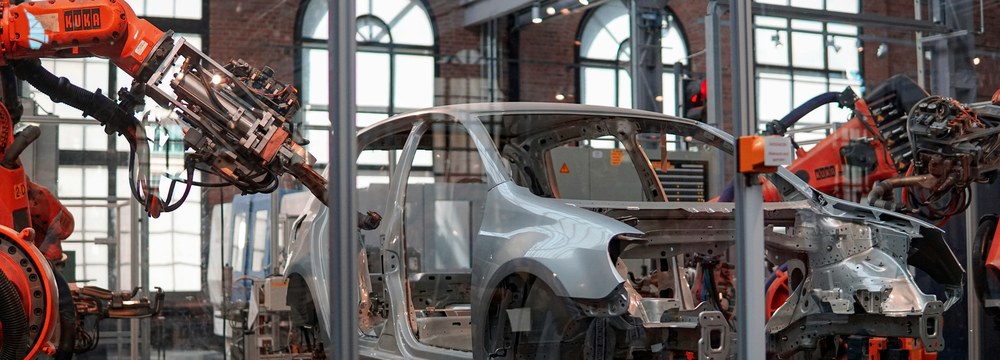
Threshold Alerting Engines
Automated alerting when a reading moves outside a defined range, routing instant notifications to operational supervisors before issues cause downtime.
How BEZENT Approaches IoT Builds
IoT application development at BEZENT starts with the data source — what the sensors or devices actually report — before designing the dashboard layer on top. This matters most in industrial IoT software, where inaccurate readings have real operational cost.
IoT dashboards are frequently paired with Data Analytics & Visualization for historical reporting and API & System Integration to pull data from existing device platforms. Manufacturing and logistics use cases are covered on Manufacturing & Engineering and Logistics & Transportation.
- Ingestion Integrity Time-Series Streaming Architecture High-frequency telemetry ingestion built on robust message brokers with zero packet loss guarantees.
- Display Latency Live WebSocket Push Feeds Direct client-side streaming feeds eliminating manual page refreshes and stale operational readings.
- Edge Reliability Offline Buffering & Heartbeats Device connection heartbeat monitoring with automatic data backfilling upon reconnection in patchy environments.
What This Looks Like in Practice
Consider a production line where a machine's temperature is currently checked by a technician walking the floor every hour. A live dashboard fed by the machine's own sensors surfaces the same reading continuously, and can alert the right person the moment it moves outside a safe range. (Illustrative example, not a specific client engagement.)
This service doesn't cover ongoing hosting or day-to-day IT support unless specifically scoped in — the focus here is the build itself.
Frequently Asked Questions
Direct answers about scoping, technical architecture, and delivery for IoT Dashboard & Application Development.
Ready to discuss your project requirements?
Start a Project →What is an IoT dashboard?
A live interface showing data from connected sensors and devices — used for monitoring, alerts, and visualization rather than manual data collection.
Does BEZENT build the alerting logic, not just the display?
Yes, alerting when readings move outside a defined range is part of this service.
Can an IoT dashboard connect to devices already in use?
Yes, typically through API & System Integration.
Which industries use IoT dashboards most?
Manufacturing and logistics are the most common — see Manufacturing & Engineering and Logistics & Transportation.
What does a first project usually look like?
Small enough to prove the approach works, before committing to a larger build — most first engagements in this area start scoped intentionally narrow.
Can this kind of work be added to a system BEZENT didn't originally build?
Yes, this is common. The first step is understanding what's already there before adding anything new.
What information should I have ready before reaching out?
A rough description of the current process and what isn't working is enough — exact specifications aren't required at this stage.
Need Real-Time Equipment or Device Monitoring?
BEZENT can scope it starting from a short description of the sensors or devices involved.